Defence medicine
The NHS and the Armed Forces wargame the return of mass casualties
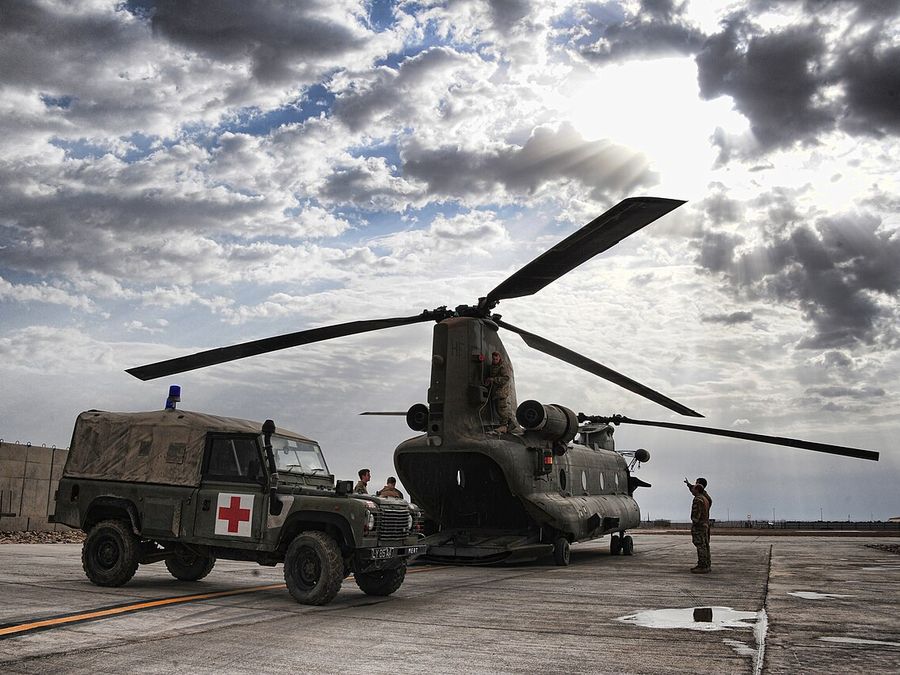
In mid-October 2026, Defence Medical Command ran a three-day resilience wargame to test what happens when casualties from an overseas conflict start arriving back in the UK. More than 100 military experts, NHS clinicians and civil servants took part, along with international partners including the United States and Canada.
What was tested
The game followed casualties beyond the battlefield. Players examined how civilian hospitals would receive military patients after lifesaving treatment overseas and long-distance evacuation, and what that would mean for hospital capacity and for civilian patients needing the same beds.
The scenario also looked further down the pathway: large-scale rehabilitation, mental health support, and wound infections caused by antimicrobial resistance, a growing concern from casualties treated in Ukraine.
Lessons from Ukraine
Major General Phil Carter, the Surgeon General and interim Chief of Defence Medical Command, described the exercise as planning for the moment deterrence fails and casualties come home. He pointed to battlefield changes seen in Ukraine, including uncrewed vehicles evacuating casualties and drones delivering blood and first aid kits to medical teams.
Defence Medical Command is investing in dried blood products, tranexamic acid auto-injectors, portable ultrasound and better protection for field hospitals. Carter said this would not be the last wargame of its kind.
Why it matters
This is exactly the problem medical wargaming exists to solve. Each organisation can hold a sound plan of its own; the weak points appear at the hand-overs between them. Putting defence medics, NHS leaders and government in one room, against a scenario that does not let up, is the cheapest way to find those gaps before they cost lives.
Sources
- UK military and NHS wargame tests Britain's readiness to treat mass casualties in a future war, BFBS Forces News, 16 October 2026
- Armed Forces and NHS test joint casualty care response capability, DPRTE, 21 October 2026